
Christmas lights: what to choose and how to install them


Nothing creates a magical holiday atmosphere like Christmas lights. Whether it's to illuminate the front of your house, decorate your balcony or add a warm touch inside, choosing and installing your lights properly is essential to fully enjoy the season while remaining safe and eco-friendly. Because beyond the ambiance, lighting is one of the key elements that ensures your home is safe, just like a well-cleared driveway.
Here's a bright little guide to help you with your choices!
What type of light is best for outdoors?
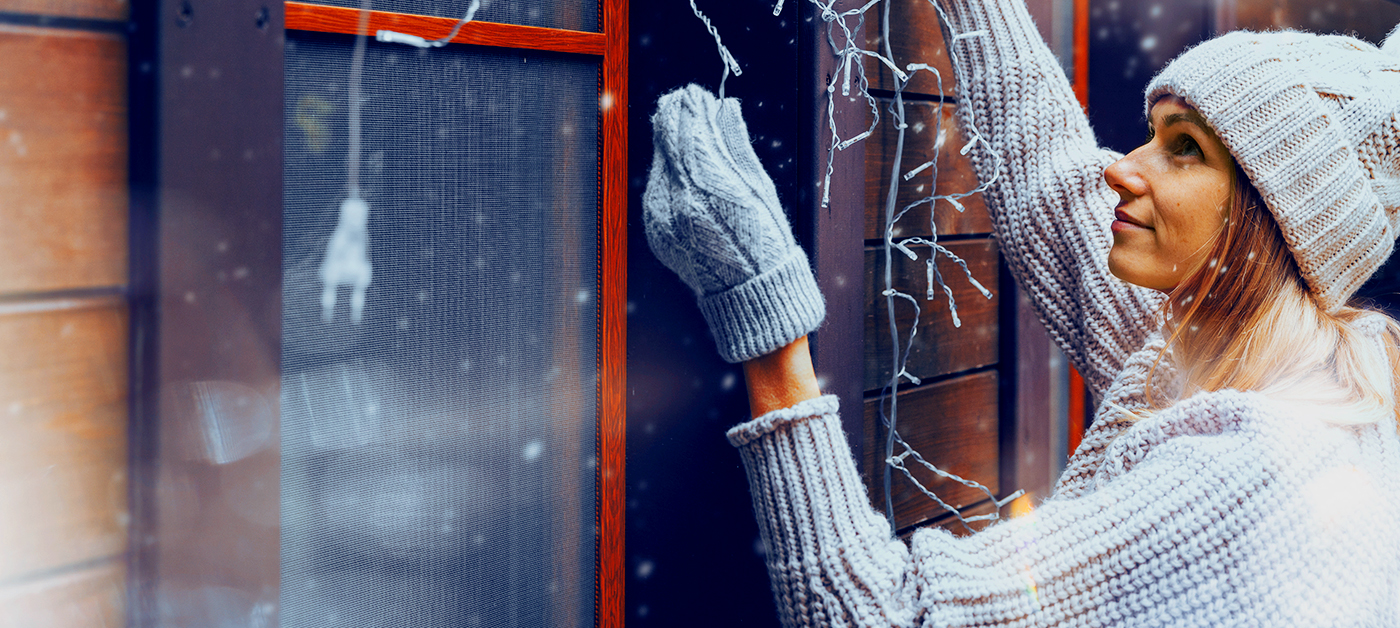
There are so many options when it comes to Christmas lights that it may be difficult to find your way around.
The different shapes and sizes of Christmas lights
- Classic string lights: Versatile, perfect for illuminating windows, railings, gables, porches and Christmas trees.
- Net lights: Ideal for evenly covering a shrub or hedge.
- Special designs: Stars, snowflakes, reindeer, etc. Can be used individually or in combination to create a theme, indoors or outdoors.
- Curtain lights: Perfect for large windows or for defining spaces.
Which type of Christmas lights is the best?
Why are LEDs becoming so popular?
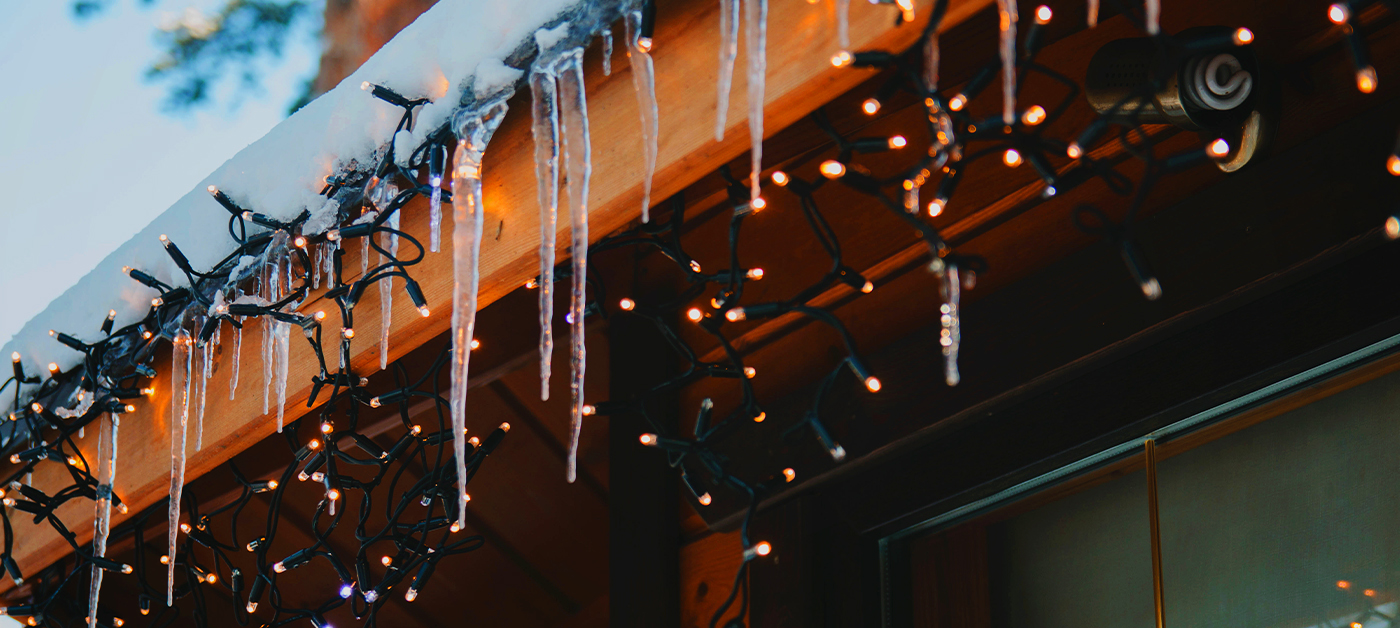
LED (light-emitting diode) lights are undoubtedly the best choice for extended use, indoors or outdoors. Because they generate little heat, they are also the best option if you want to illuminate your plants without damaging them.
What are the advantages and disadvantages of LEDs?
Prized for their very low energy consumption and long lifespan, LED lights are available in a wide variety of colours, shapes and sizes. Because they generate very little heat, they offer maximum safety. Their main drawback is not related to their quality or efficiency, but rather to their higher price.
Which is better LED or incandescent bulbs?
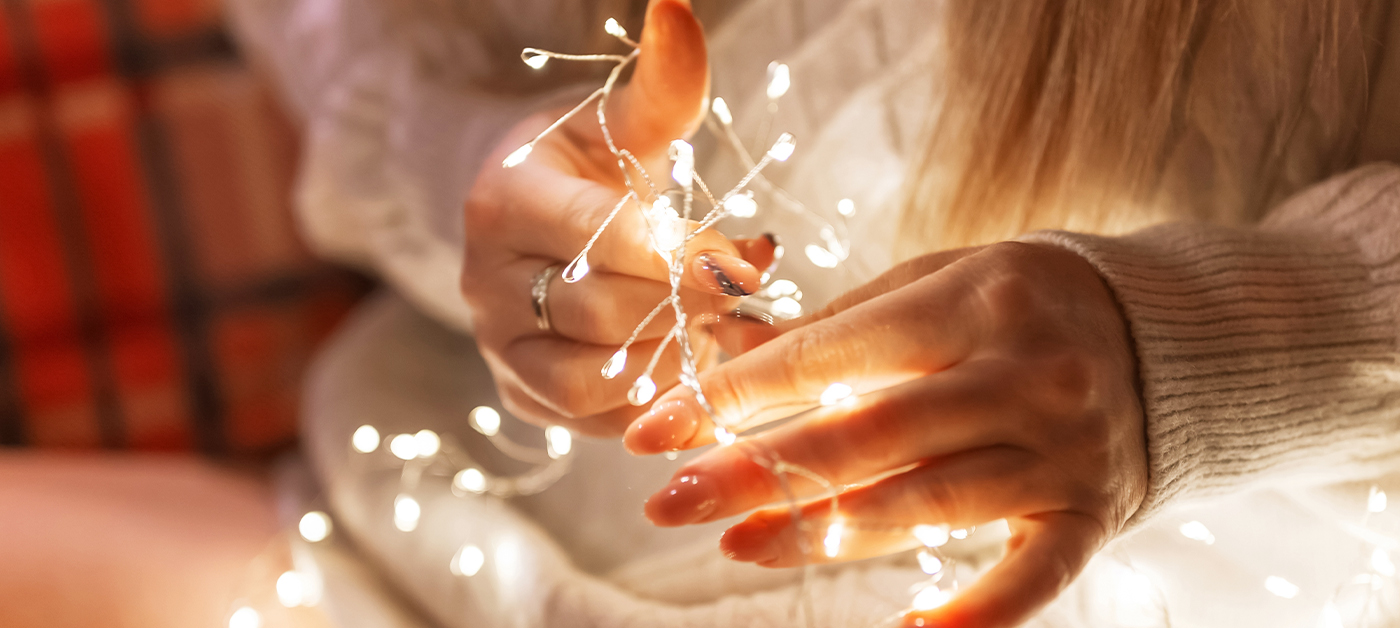
Incandescent light bulbs are perfect for creating warm, traditional lighting. While their initial cost is much lower than that of LED bulbs, they are significantly more energy-intensive. In comparison, LED bulbs consume up to 80% less electricity than incandescent bulbs to produce the same level of light.
Incandescent lights have a shorter lifespan (usually 1,200 hours) and also generate more heat. Therefore, they are not recommended for illuminating trees and shrubs in the garden.
What are the advantages of incandescent bulbs?
We love the affordable starting price of incandescent lights and choose them mainly for their retro charm. Since they're unparalleled in evoking old-time Christmases, they're also a firm favourite with those who are nostalgic!
Why use solar lights in the garden?
Solar lights are particularly popular in the garden because they don't require an electrical connection. They're simpler to install, eliminating the hassle of hiding wires. They're also perfect for illuminating areas far from a power outlet.
Do solar lights work in winter?
Solar lights generally provide less light than other light sources. Because they depend on the sun and ambient light, they are much less effective in overcast weather or during winter in northern regions when the days are relatively short.
In summary, if you are looking for reliable, durable and economical long-term lighting, LED lights are the better choice.
What is the safest way to hang Christmas lights?
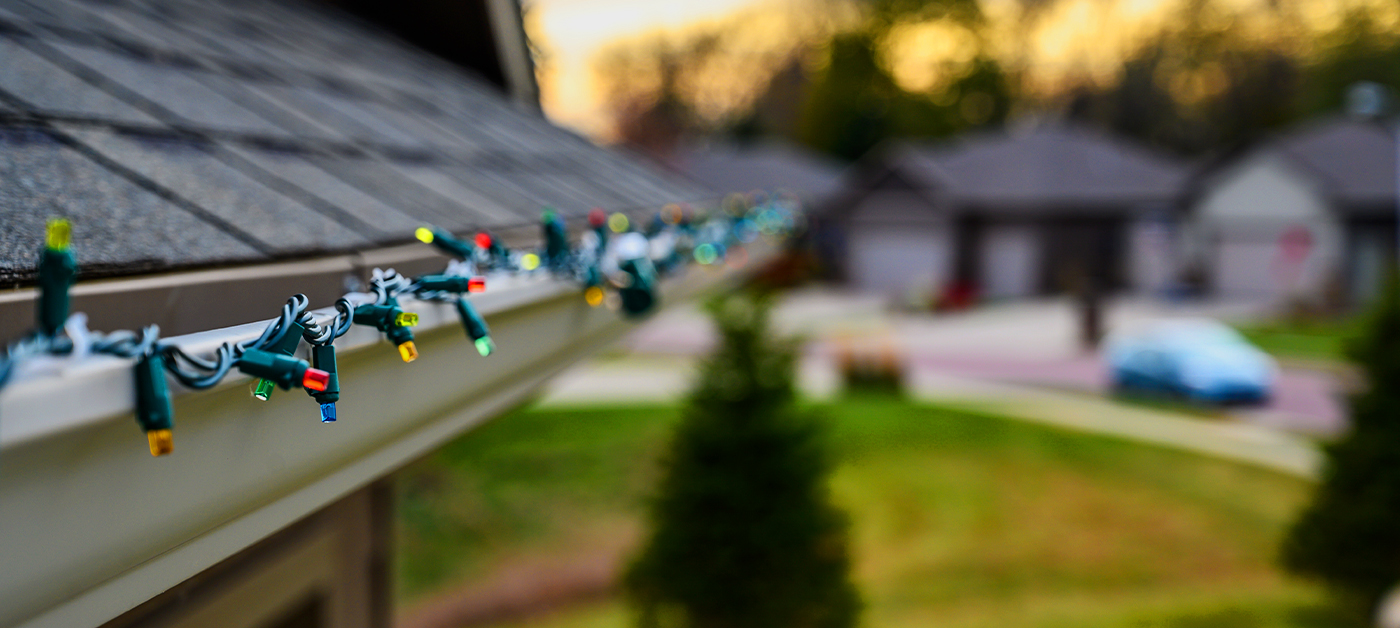
1. Check the condition of your string lights before installing them
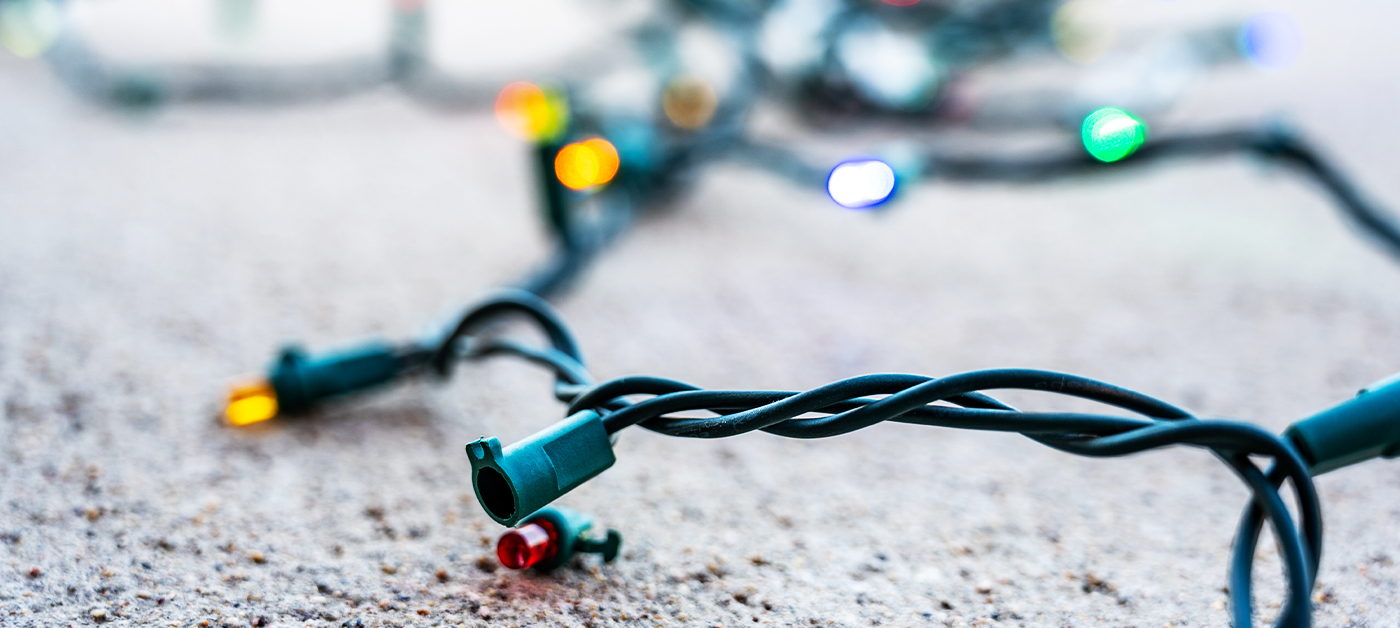
Besides the frustration of spending precious time putting up Christmas lights only to find they're burned out, damaged wiring can cause fires. When checking your Christmas lights, don't just make sure they light up!
GOOD TO KNOW: LEDs generate less heat than traditional light bulbs. Although they pose fewer risks, LED string lights can still catch fire due to faulty wiring or a problem with the power supply.
2. Check certifications
If you intend to use them outdoors, ensure that the lights you choose are CSA-certified or approved for outdoor use. Read the labels carefully: some lights are intended for indoor use only.
3. Use timers
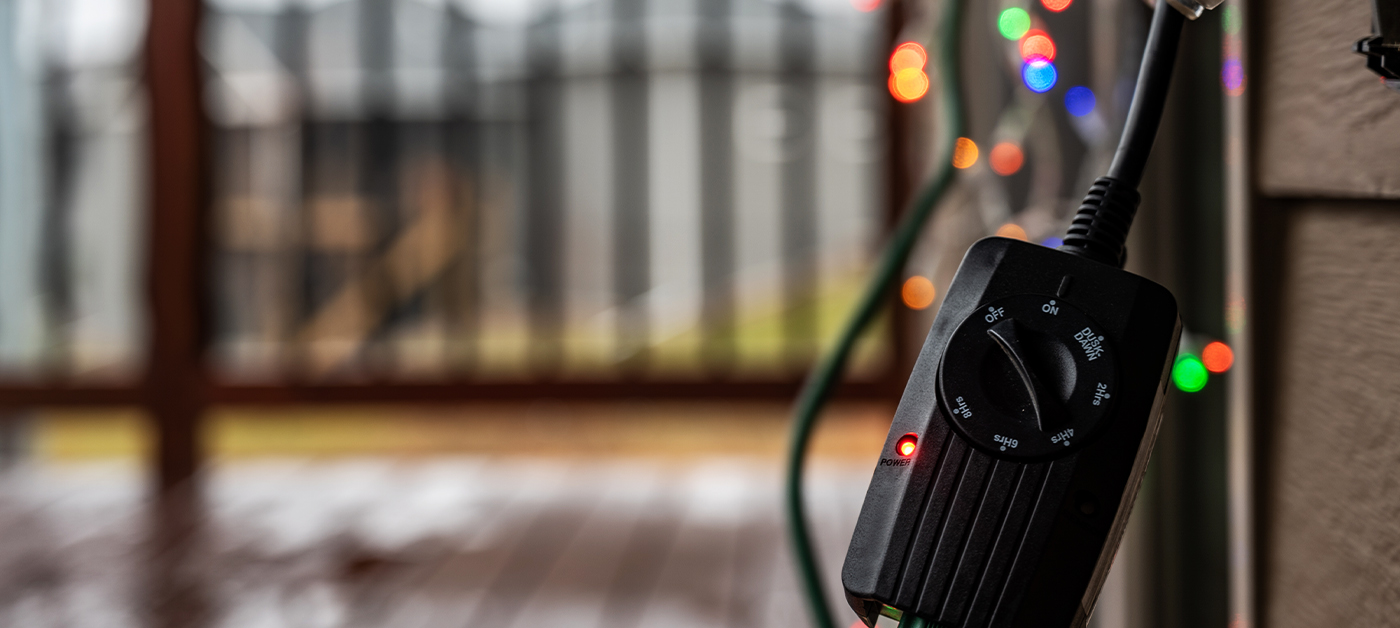
Timers automatically turn lights on and off according to a chosen schedule, making your life easier and saving energy. By preventing lights from being left on unnecessarily or for extended periods, timers also reduce the risk of fire.
To be safe, timers must be used according to the purpose and location (indoors or outdoors) for which they were designed.
TIP: Do not leave Christmas lights on all day and night unattended, especially on artificial or flocked trees, which are highly flammable. Don't just turn them off. Unplug them.
4. Never overload electrical outlets
Most of the fires caused by Christmas lights are due to the use of damaged string lights or overloaded circuits.
Always respect the maximum capacity indicated on extension cords and power bars. Unless otherwise specified, avoid connecting more than two or three strings of lights end to end. Extension cords used outdoors must be designed for outdoor use and be water and cold-resistant.
5. Secure the workspace before starting installation
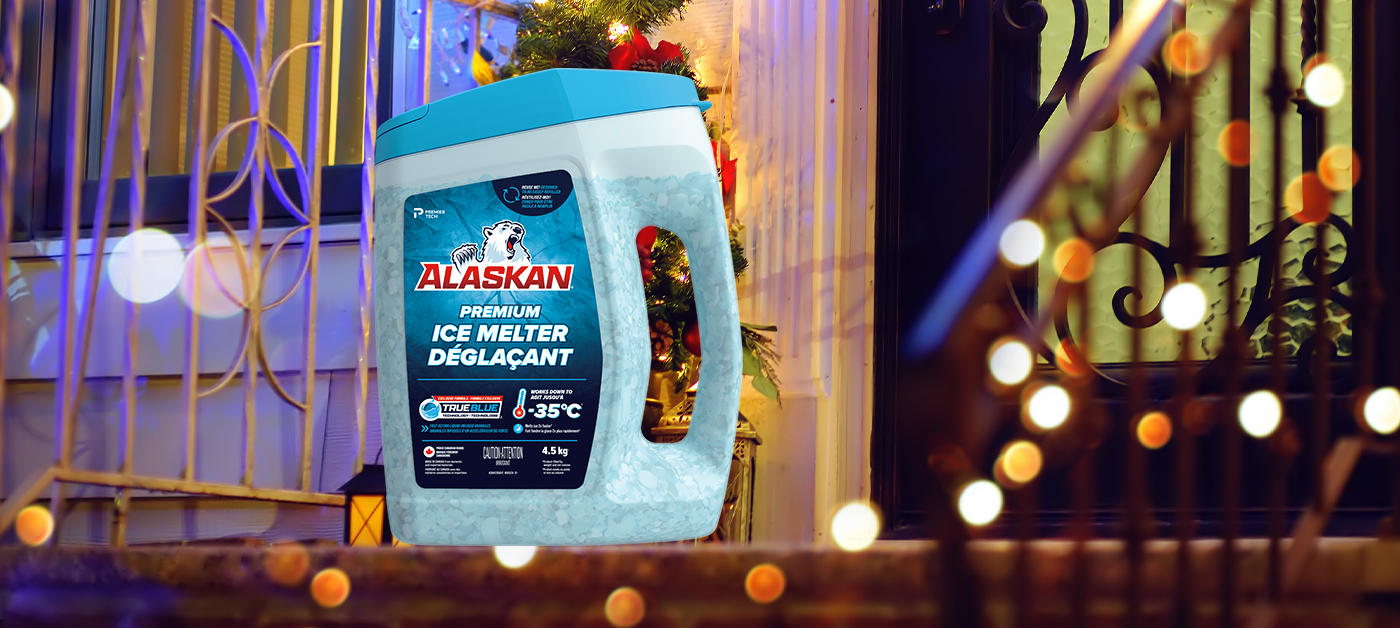
Make sure that steps, landings, porches and balconies are clear of snow and ice before installing your Christmas decorations and lights to prevent falls. Apply Alaskan to secure surfaces, especially if you need to use a stepladder or if the installation requires some acrobatics.
6. Secure outdoor lights with fasteners
Use hooks or fasteners designed for hanging Christmas lights. Avoid nails or staples, which could damage the wires without you noticing. Reusable plastic ties are also a good option for attaching string lights to balcony railings.
For more information.
Christmas lights: what actions are eco-friendly?
1. Opt for LEDs
They consume up to 80% less electricity than traditional bulbs and their long lifespan reduces the frequency of replacement.
2. Recycle your Christmas lights
You’re changing your Christmas lights? Give the old ones to a neighbour, relative or friend, or take them to a charity or school. If they are unusable, take them to an ecocentre so that the components and wiring can be properly recycled.
GOOD TO KNOW: Several stores offer recycling stations for defective lights that cannot be repaired.
3. Store your lights carefully
Use plastic bins to store your lights after the holidays. The wires will be better protected and this will prolong the life of your string lights.
4. Use timers to limit the lighting duration.
Turn your lights on for a few hours in the evening rather than continuously. During the day, they are almost invisible, and during the night no one enjoys them. Limiting the lighting duration provides increased safety and saves energy, in addition to renewing the magic each evening.
Brilliant ways to maximize the atmosphere
Outdoors…
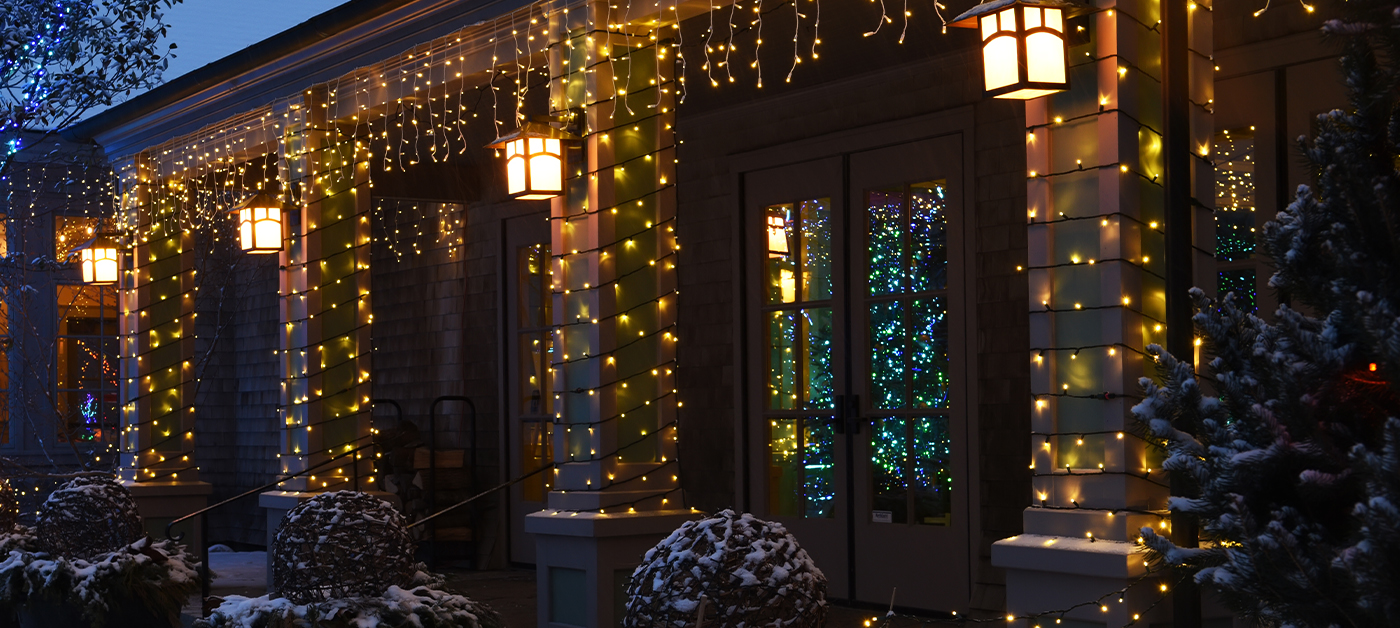
Surround doorways with garlands and cover windows with curtain lights. Illuminate trees, shrubs, evergreens or fences with netting or pendant light balls. Use LED lights to avoid damaging your plants.
On porches, balconies and patios, add garlands of fir branches surrounded by LED lights. Add large lanterns on the floor and tables, cozy cushions and fur throws on sofas and armchairs.
For a magical look, also try large light-up ornaments made of vine or brooch. Hang them from the eaves of the house or place them on vases decorated with fir branches.
Indoors…
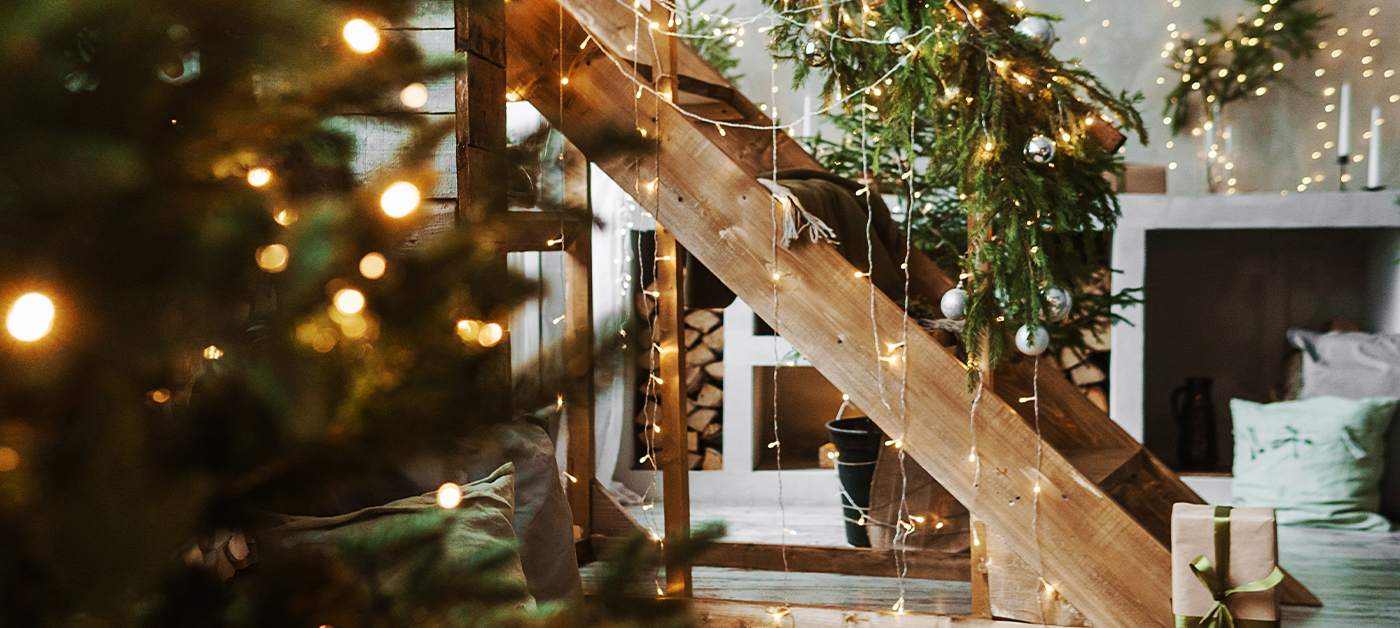
Add multiple strings of lights to your Christmas trees for a magical atmosphere. Illuminate your mantlepiece, centrepieces, floral arrangements or even your houseplants with small battery-operated string lights.
When it comes to Christmas lights, more is always better. Turn off the recessed lights, ceiling lights and fixtures you leave on all year round and let the magic happen!
To find out how many lights to use on your Christmas tree or for other decorating ideas here.
How to harmonize colours?
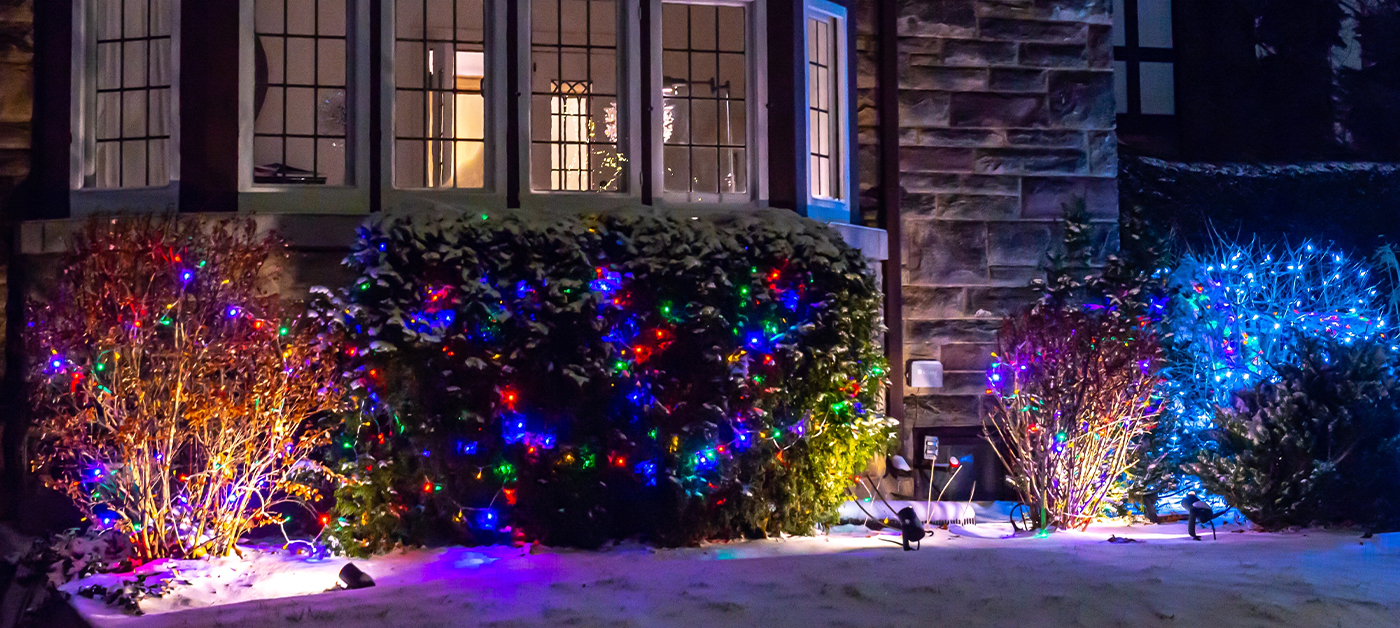
You’ve opted for colourful string lights? Avoid varying colour ranges in the same room or in the same area of the garden.
The combinations of white, red and green are a classic and have a slightly retro feel. They first appeared around 1930 and quickly became very popular. They have since experienced renewed popularity almost every decade and were modernized with the arrival of LEDs in the early 2000s.
Lighting combinations that include blue or purple are associated with a more modern trend. Regardless of the atmosphere you wish to create with coloured lights, limit the number of shades in your decorations to avoid a chaotic effect.
The growing popularity of white lights over time is largely due to the greater versatility they offer in terms of accessories. When choosing white Christmas lights, however, be careful not to mix cool whites (which have a bluish tint reminiscent of ice) with warm whites (which produce a warmer, golden light). The effect could be worse than a cacophony of colours!
TIP : As with decorative accessories, mix and match sizes, shapes and types to amaze and delight.