
What is black ice and how can we limit the risks?


Black ice (or clear ice) is the name given to a thin film of translucent, bubble-free ice that is practically invisible to the naked eye. The term "black ice" is most often used in the context of road traffic… although it can just as easily be found at home, on our walkways and in our driveways.
Invisible, it takes on the colour of the surface it covers and with which it is confused: the black asphalt of our roads and driveways. It reflects little light and resembles a wet surface, which is all the more deceptive since it forms during a warm spell.
Fortunately, by adopting a few simple habits and good practices, we can significantly reduce the risks of road accidents and falls, both when out walking and at home.
How does black ice form?
Black ice forms when a film of water freezes rapidly, after drizzle or light rain, under freezing fog, or when the ice and snow that melted during the day refreezes at dusk. It can also result from the condensation of water vapour, such as when the moisture from vehicle exhausts condenses on the road surface.
What temperature is black ice?
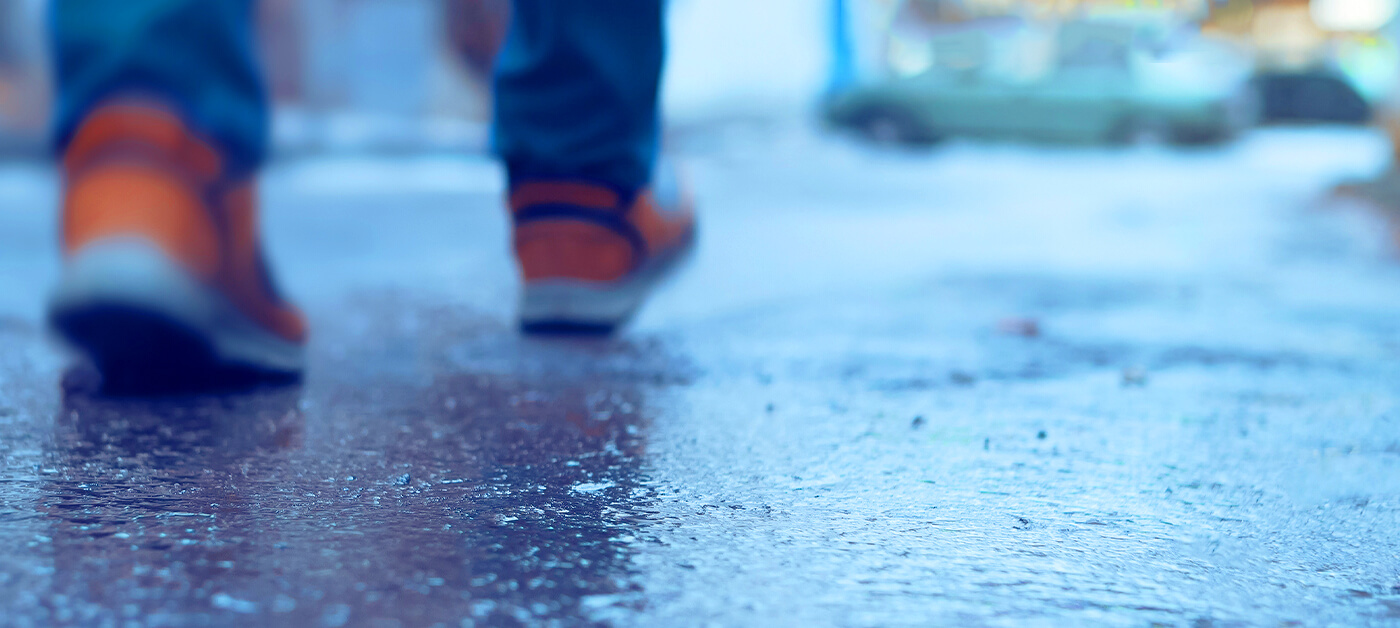
Black ice forms on surfaces at temperatures between -3 °C and 1 °C. It can form at temperatures above 0 °C because the surfaces it covers are colder than the surrounding air.
The risk peaks around 0 °C with high humidity.
When is there a greater risk of black ice?
Its formation occurs mainly before dawn (4 a.m.–8 a.m.), before the sun has had time to warm the ground and melt the ice, or in the late evening when the water on the ground freezes with the drop in temperatures.
When Canadian temperatures rarely fluctuated during the winter, the risk of black ice was mainly present at the change of seasons (late fall and late winter/early spring). It’s no longer always the case today.
This is particularly true in coastal regions, where there is more humidity in the air, more freezing fog and more frequent freeze/thaw cycles, especially in certain microclimates.
Where is there a greater risk of black ice?
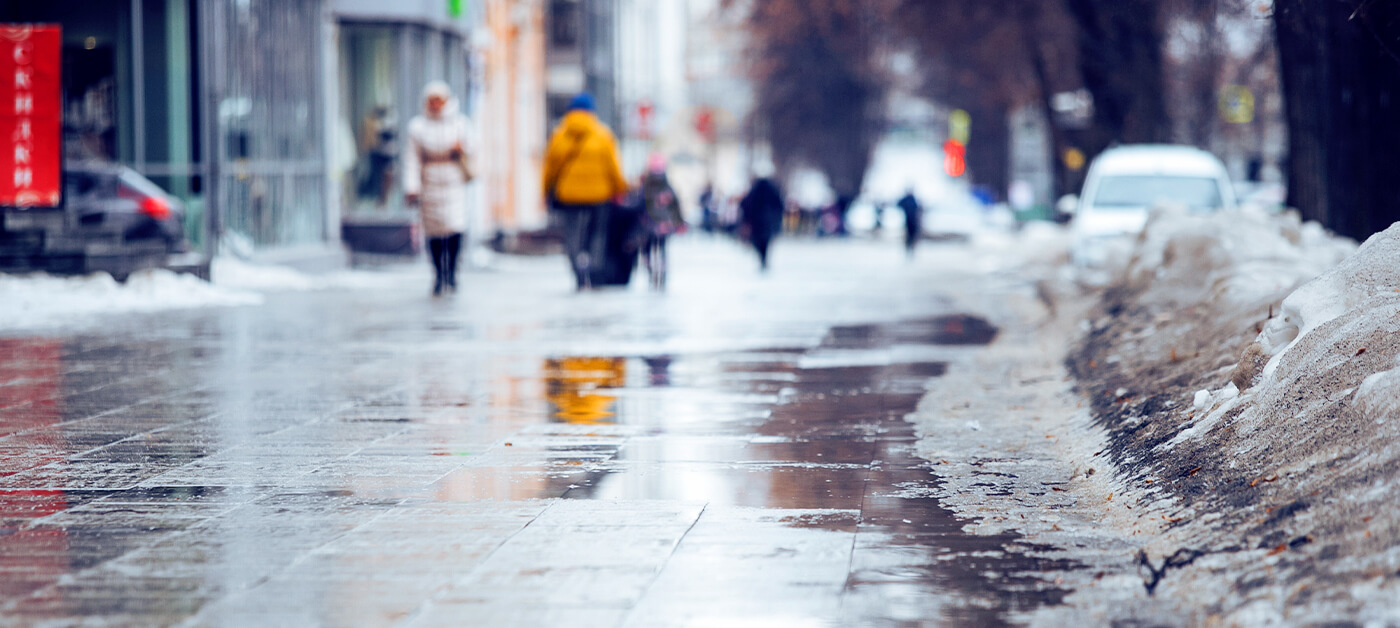
On the road, bridges and overpasses are particularly vulnerable because they lose heat on all sides and freeze faster than the adjacent road. Ramps, small valleys and roads with little sun exposure are also at risk.
At home, in public places and in your neighbourhood, it is best to be wary of poorly cleared parking lots and poorly maintained entrances, sloping entrances and curbs near ditches.
Why is it so slippery?
Two phenomena combine to make black ice an extremely slippery surface. First, there is the lack of texture. A very smooth layer of ice offers few rough edges for the tires of our vehicles and the soles of our boots to grip. Second, when the temperature is close to 0 °C, a microfilm of water can form on the surface of the ice, further reducing friction.
Even if the road surface appears to be merely wet, dark and shiny, grip can be reduced by half, two-thirds, or even more, according to studies conducted by road safety specialists. Hence the importance of relying on weather conditions and alerts, rather than what is visible.
TIP: When the temperature is around 0 °C, if the surface appears wet, it's more likely icy. Engineers at the FHWA confirm this: "At 0 °C, our eyes are tricked: a microfilm of water on the ice reflects the road surface as if it were wet."
Comparison of black ice risks in 3 different regions
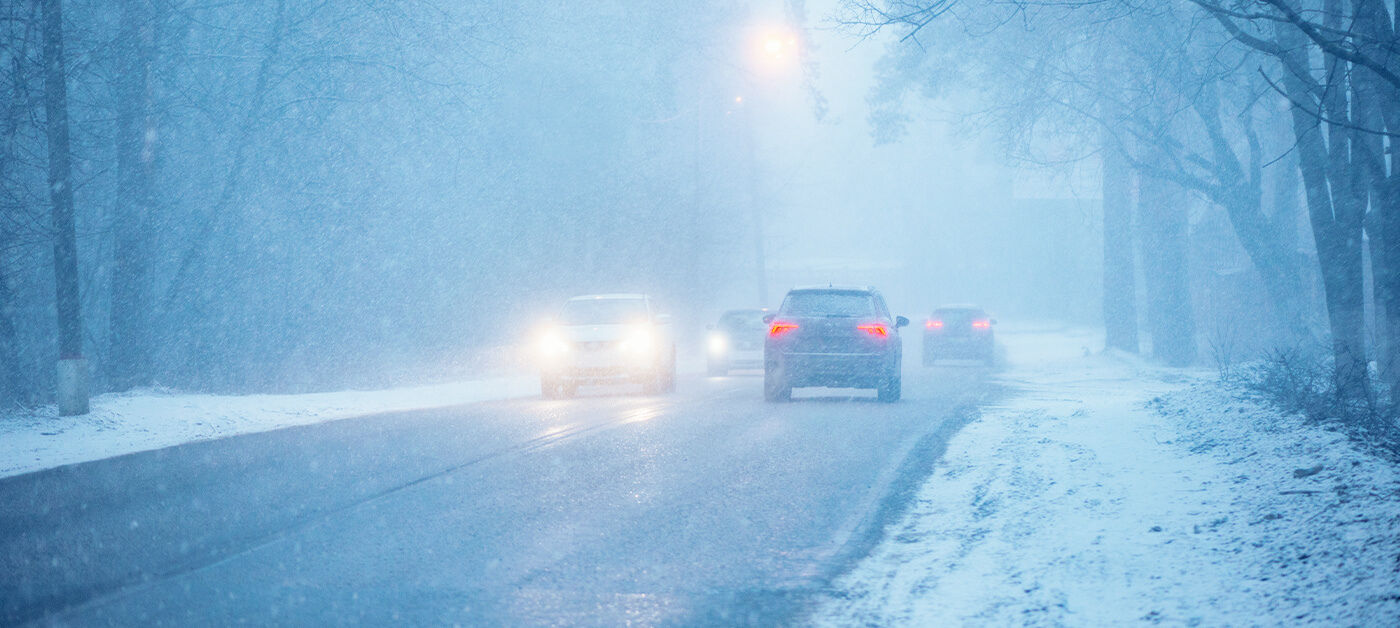
Vancouver and the Pacific Coast
- High risk of black ice on clear, calm nights after rain, or under freezing fog, even if the snow cover is light. Peak risk: late night/dawn, -3 °C to 1 °C.
- On ocean coasts (e.g., Vancouver), the ocean moderates temperatures, resulting in milder winters. Temperatures near 0 °C are more frequent, and this is when black ice is most treacherous.
- The region receives less compacted snow, but there are more episodes of rain followed by refreezing. Again, this creates conditions conducive to the formation of black ice.
The Great Lakes
- Cities surrounding the Great Lakes are subject to frequent alternations of light rain/drizzle followed by freezing.
- Fog, which is more frequent in late fall and spring, makes bridges and overpasses near water particularly risky.
- In early winter, the lakes warm the air and contribute to increased humidity (lake effect), leading to more frequent drizzle and showers, even though the temperature is near freezing. In late winter, when the air cools at night, refreezing is common, especially on bridges and overpasses, as well as on roads exposed to fog.
The Prairies
The risk of black ice decreases when the air temperature remains well below −10 °C and the weather is dry.
The region is therefore less frequently confronted with the formation of black ice linked to 0 °C, but has to juggle with more persistent hard ice.
Why is black ice so dangerous and what does it lead to?
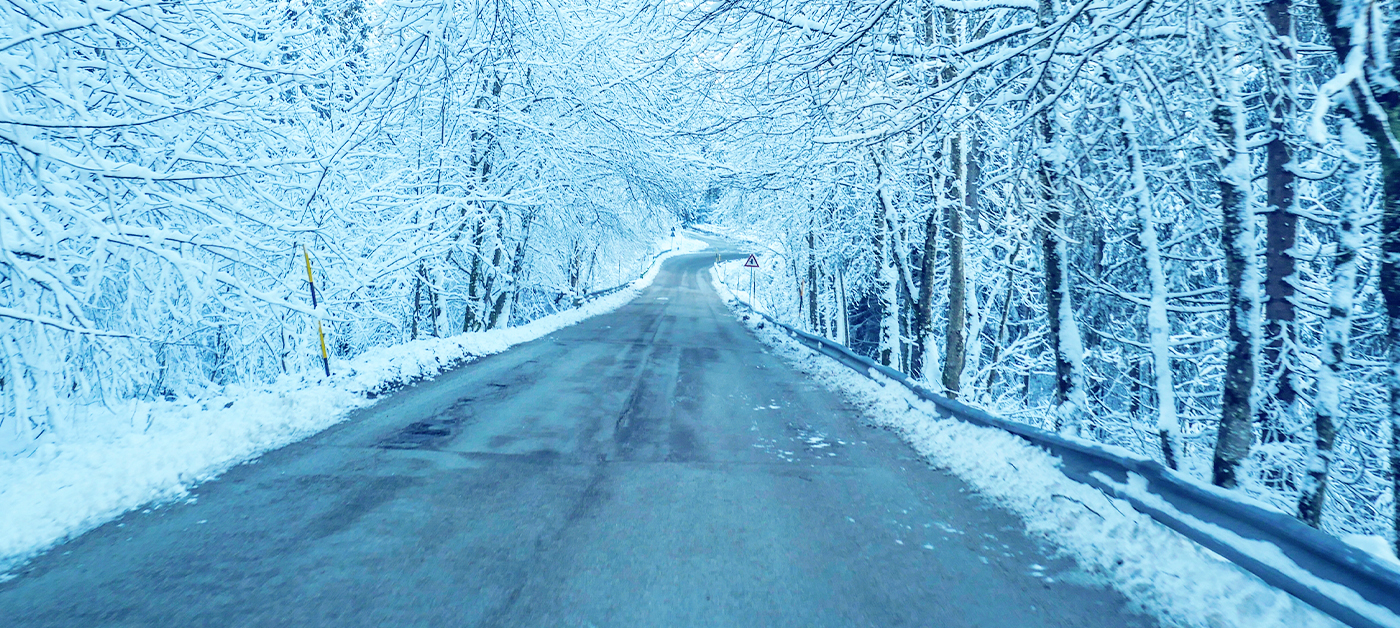
What makes black ice particularly dangerous is that it is generally perceived by drivers as a wet road surface after rain. Because it contains no impurities, crystals or bubbles, it is extremely difficult to spot, and its presence is often noticed too late.
Black ice and winter driving: 8 habits to adopt behind the wheel
- Anticipate cold zones: slow down before a bridge, a ramp or a shaded area, and avoid sudden maneuvers.
- Maintain a greater distance between vehicles: allow 8 to 10 seconds of braking distance, or even more, instead of the usual recommended 4 seconds. According to SAAQ experts, the braking distance can triple on ice, even at low speeds.
- Avoid sudden maneuvers: accelerate and brake gently, turn gradually, favour engine braking and deactivate cruise control

- Pay attention to the signs: if the antiskid/ESC indicator flashes during gentle acceleration, it means there is a loss of grip. Slow down and stabilize the vehicle.
- Make sure your vehicle is properly equipped: ensure you have winter tires in good condition and properly inflated, and check the depth of the treads and grooves, as well as the presence of the pictogram of a mountain with a snowflake.
- Make sure you can see and be seen: completely clear the snow from your vehicle, including the windshield, mirrors, side windows and headlights. Anyway, it's the law!
- Check the weather forecast before you hit the road: consult weather alerts, and if necessary, postpone non-essential travel. Also, follow Alaskan on Facebook and Instagram to receive our regional weather alerts.
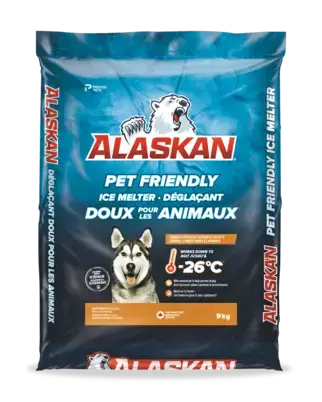
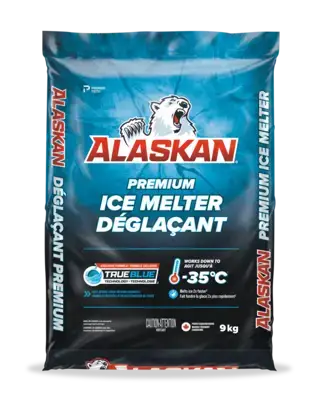
- Prepare for the unexpected: get a winter emergency kit (blanket, gloves, flashlight, cables, Alaskan Ice Melter and Multi-purpose De-icer, ice scraper, etc.). Keep it in your car at all times.
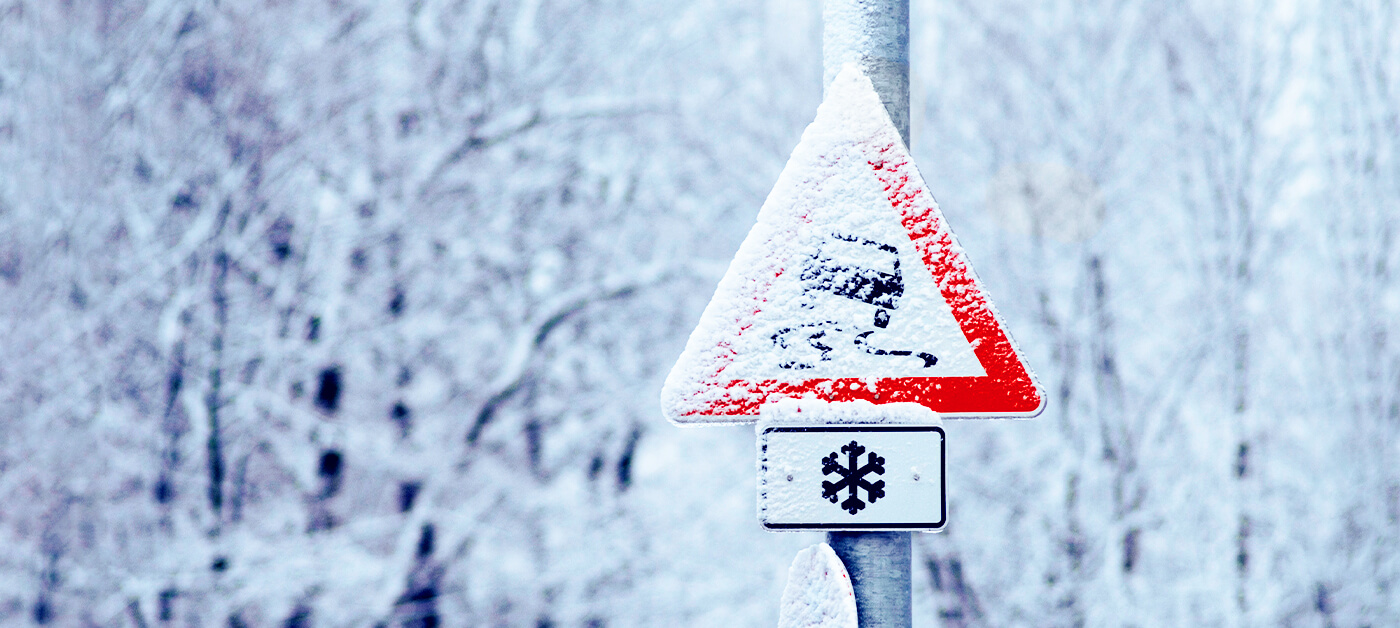
TIP BEFORE YOU HIT THE ROAD: If your car's mirrors or windshield wipers start to frost over, expect the road to be icy.
Walking without falling: a few effective tips
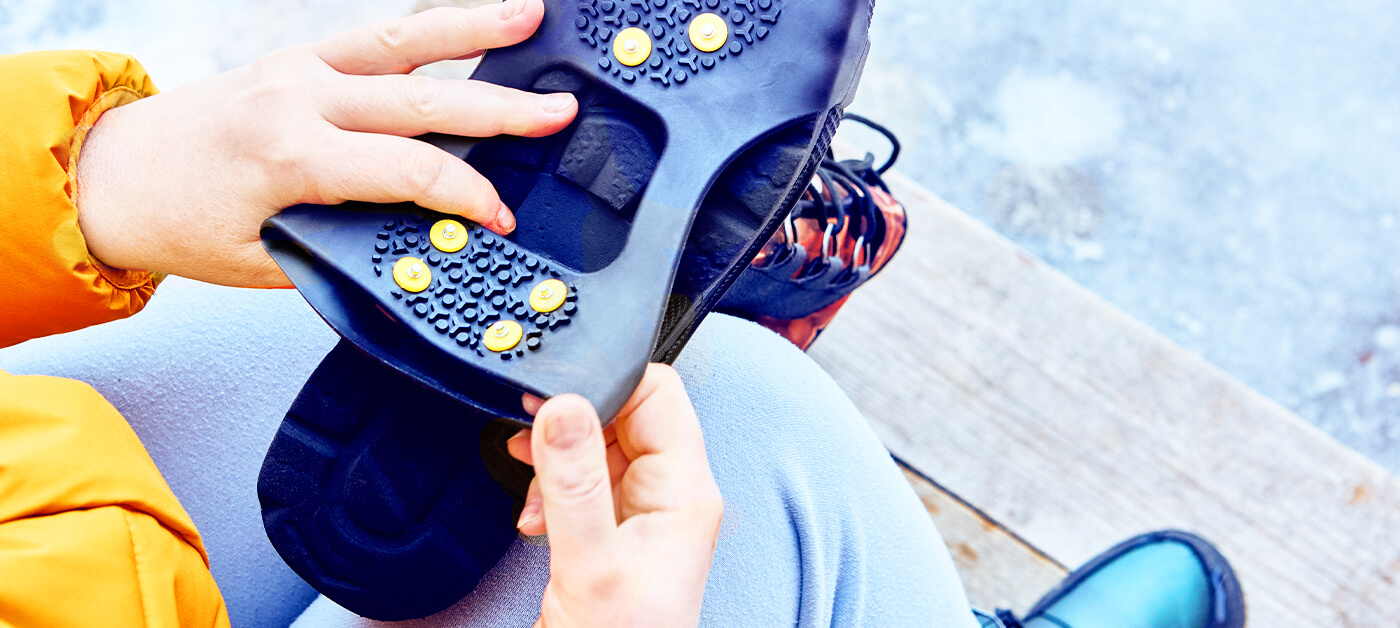
- Adopt the “penguin walk”: small steps, low centre of gravity, feet slightly open, hands free (not in your pockets).
- Opt for grippy soles: use removable crampons and a hiking pole when there is an icy weather warning.
- Treat access points: first, clear snow, then apply Alaskan on the driveway, walkways and landing. Reapply in the evening if colder temperatures are expected. For more tips on preventing ice buildup, read our article,
- Light up dark areas: secure the entrance by adding light sources. A "shiny" entrance is a warning sign.
TIPS: If in doubt, remember that areas with dark, shiny stripes, as well as perfectly smooth-looking sidewalks, entrances and parking lots, should be treated… or avoided!
For more tips on avoiding falls in winter, read our other article.
De-ice in an eco-friendly way
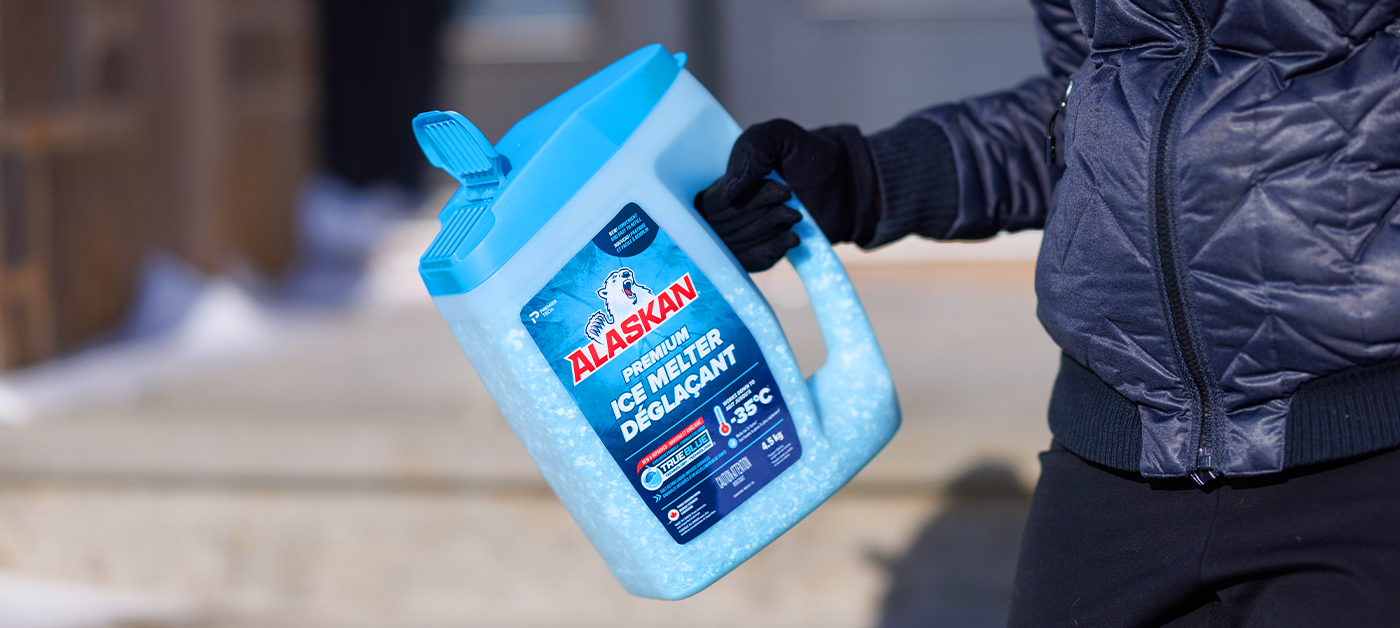
Salt is useful, but it has environmental impacts and its effectiveness drops when the temperature reaches -10 to -12 °C. Alaskan remains effective at low temperatures, while requiring smaller quantities. Therefore, less can be used to achieve better results faster, whether it's 0 °C or -35 °C.
As our climate changes, prioritizing safety while minimizing your environmental footprint is a logical choice. To learn more about the differences between de-icing products, check out our article.