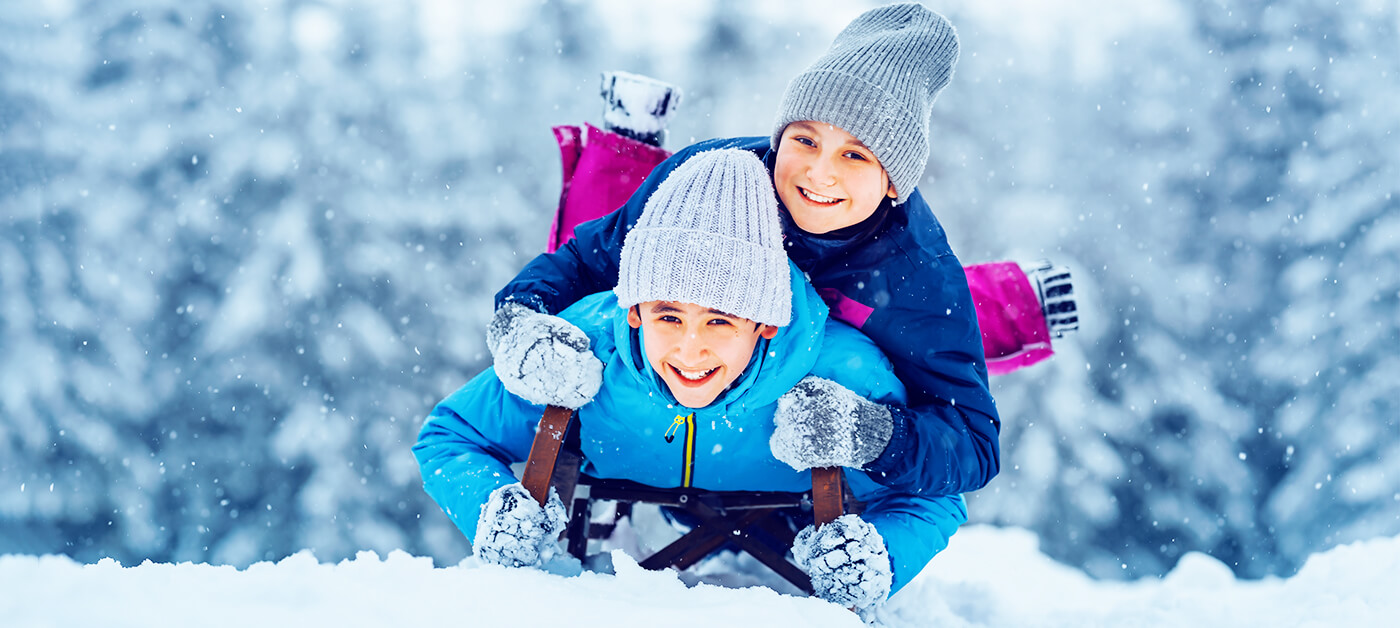

How to build a snow slide in 5 easy steps

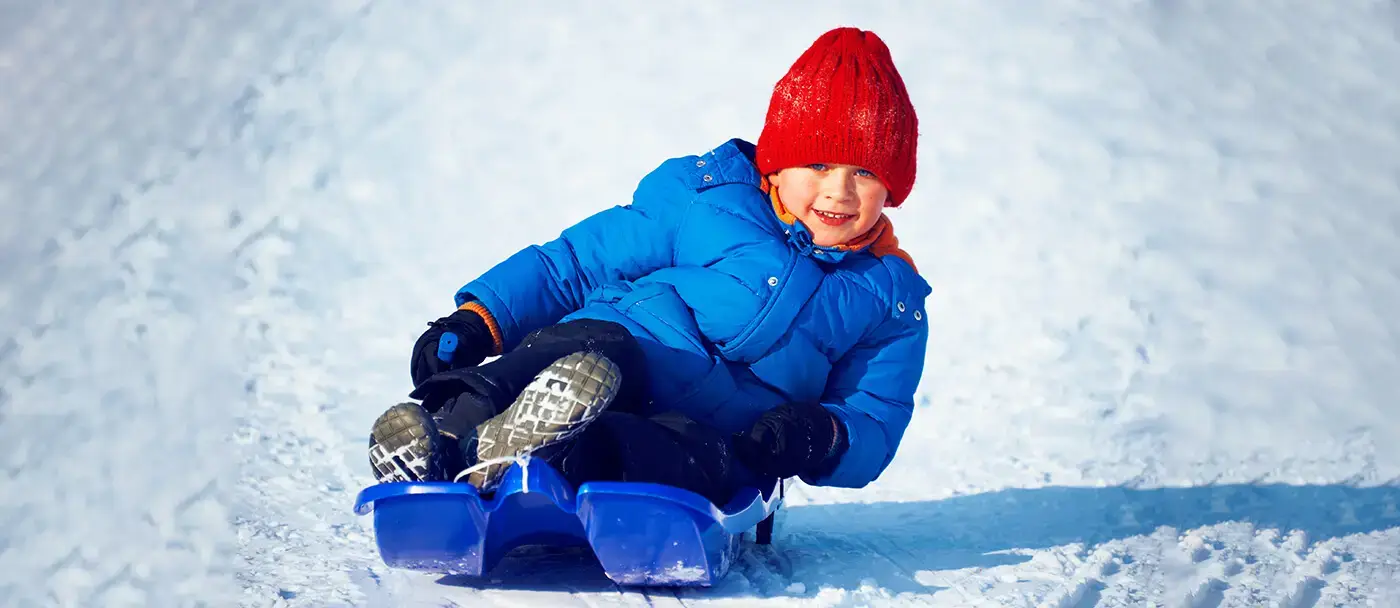
Sledding is an activity enjoyed by the whole family, young and old (including parents and grandparents!). If we told you that it's possible to slide down the slopes in your own backyard at any time of day, that would surely make everyone happy.
Here’s how to build a more durable and resistant snow slide in 5 simple steps. By making it a family project, everyone gets involved and gains a sense of pride!
1. Choose a location
Creating a snow slide is relatively simple. The most important thing to know is that it isn't absolutely necessary to start with a natural slope. But if you’re lucky enough to have one in your backyard, the job will obviously be a little easier.
A small slide can be just as fun. It has the advantage of requiring less maintenance, being less dangerous, allowing for a quick climb back up and offering different ways to sled (on your stomach face first, one over the other, backwards, with or without a sled, etc.).
How to choose a safe location
- The location should be away from the street and driveway.
- Choose a spot you can see from the house, even if your children are older. It's always best to keep an eye on them to make sure everyone is behaving safely.
- The slide should not end on a fence, shed, post, tree, bush, or any other obstacle. It's quite possible the slide will continue for a few metres after you reach the bottom!
- The area should be well-lit if you plan to sled in the late afternoon or evening. This will also be helpful if you need to maintain it on weeknights.
TIP: If your yard is flat but you have a playset, you could perhaps use one of the sections (like the platform of the slide or playhouse) as a base. It will be easy to cover it with snow. With each new snowfall, the structure will quickly be buried!
2. Create a snow mound
Take advantage of a good, sticky snowfall to get started. This will give your mountain a solid base. If you have a snowblower, blow the snow towards your chosen spot to create a mound. Otherwise, it's a great opportunity to use your muscles!
3. Pack down the snow on a regular basis
To ensure a solid base, pack down the snow as your mountain grows. Encourage children to participate. They can also invite friends to come and trample the snow so it's well compacted.
4. Trace and shape the slope
Use a wide sled to create the slope. The snow will compact under your weight, and sides may even form. It's up to you whether you want to accentuate them. A well-defined track is always a good idea. This encourages children to sled in the same place, one at a time, and prevents collisions!
Also, indicate where to climb back up. Make sure everyone understands that it is forbidden to climb back up where people are sledding.
TIP: If your slope is wide enough, create a double slide that will allow for racing!
5. Water lightly in cold weather
The formation of a thin layer of ice helps to solidify the slide and improve its durability.
TIP: Whether you are sledding at home or not, wearing a helmet is always recommended to avoid head injuries.
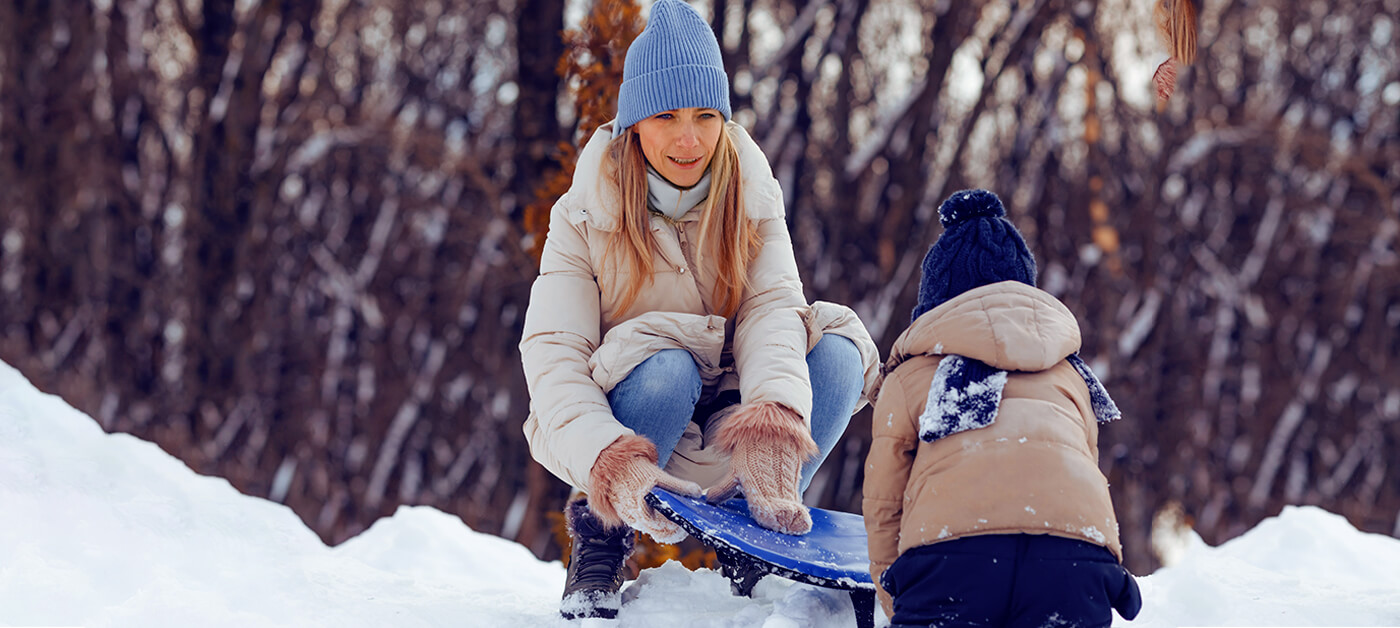
How to maintain a snow slide to make it last
If Mother Nature is on your side, your snow slide can provide weeks of fun for the whole family. Every snowfall should be packed down. Packing the snow prevents heels or little hands from sinking into it and creating holes that will then need repairing.
Every inch of snow that falls is also an opportunity to improve your creation. Give it more height, create curves or bumps, surround it with snow sculptures…
TIP: Always check the condition of the slide before allowing children to use it. Freezing rain can quickly turn a slope into a hazardous area. If the slope is too icy, it's best to wait for a snowfall before using it again.
7 tips for safe sledding
Here are some tips to avoid accidents and injuries when sledding. These tips apply whether you're sledding at home or elsewhere. Going down a slope at a high speed comes with risks, even in recreation centres.
- A child aged 5 and under should never go sledding alone and unsupervised.
- Prevent collisions by indicating the way back up, taking turns, prohibiting pushing, etc.
- Always wait until the slope is clear before sledding.
- Check the slope before sledding. Make sure the surface isn't icy and that it doesn't have any bumps or holes that could cause you to lose control, go off course or get injured.
- Wearing a helmet is recommended, whether you're sledding at home or elsewhere.
- The safest way to sled is sitting down, facing forwards. Unless the slope is very gentle and safe, never sled face down, head first. Never sled standing up or backwards.
- Always give clear instructions before sliding and make sure they are followed: where to slide and climb back up, which sleds to use (the choice will not always be the same depending on the condition of the surface – sticky snow, icy surface, etc.), no pushing allowed, etc.